


Broadening perspectives: Real-world data of FcRn blockade in gMG and CIDP
Watch this program to learn about FcRn blockade and its role in the treatment of gMG and CIDP, with insights from expert faculty.
For HCPs in: USA only
MED-US-EFG-2600077 V1 05/26
Date of preparation: May 2026
Understanding MMN and CIDP: Insights from experts
Watch this program to gain expert perspectives on MMN and CIDP, including diagnostic challenges and disease burden.
For HCPs in: USA only
MED-US-a117-2600011 V1 05/26
Date of preparation: May 2026
Autoimmune Psychosis: Why It Matters
Why this topic matters Autoimmune psychosis (AP) is conceptualized as a psychosis-dominant form of autoimmune encephalitis (AE). In contrast to ‘typical’ AE, in which seizures, impaired consciousness and focal deficits rapidly declare a neurological syndrome, patients with AP can initially present to psychiatric services with apparently isolated psychotic or mood symptoms. Overt neurological signs may […]
Who’s on your bench? The five people every high performer needs
Your clinical career is shaped not only by what you know, but by who helps you navigate what comes next. Join us for the final episode in our mini-series exploring non-clinical skills that can help you thrive in your clinical career. Today we explore how to develop the right team around you to support your […]
01. Broadening perspectives: Real-world data of FcRn blockade in gMG and CIDP
02. Understanding MMN and CIDP: Insights from experts
03. Autoimmune Psychosis: Why It Matters
04. Who’s on your bench? The five people every high performer needs

Both intracerebral hemorrhage and ischemic stroke continue to be the leading causes of disability and the second leading causes of death worldwide.1,2 The burden is largest in low- and middle-income countries, which have seen rapid recent population growth. Large vessel ...

In this narrative review, we aim to introduce the reader to the history of calcitonin gene-related peptide (CGRP) discovery and its involvement in migraine pathophysiology. We will then look at drug development and clinical trials in migraine. We will additionally ...
Your clinical career is shaped not only by what you know, but by who helps you navigate what comes next. Join us for the final episode in our mini-series exploring non-clinical skills that can help you thrive in your clinical ...
Why this topic matters Autoimmune psychosis (AP) is conceptualized as a psychosis-dominant form of autoimmune encephalitis (AE). In contrast to ‘typical’ AE, in which seizures, impaired consciousness and focal deficits rapidly declare a neurological syndrome, patients with AP can initially ...



Want to be featured in touchReviews in Neurology?
Share your knowledge, influence clinical practices and enhance patient care in Neurology today!
- Peer-reviewed, free-to-access
- Accepting reviews, research and editorials
- No article processing fees
- Digital features and plain language summaries
- Multichannel content distribution for maximum visibility

We often focus on clinical excellence, but spend less time developing broader skills that could help us better lead with purpose and build more fulfilling, impactful careers. In this episode, part of a mini-series in partnership with LEADderm, Dr Jennifer Soung and Denise Mann explore how clinicians can engage with the media to educate, empower and extend their impact beyond the clinic.
The Bidirectional Nexus of Sleep and Alzheimer’s Disease: Mechanisms and Translational Opportunities
Alzheimer’s disease (AD), the most prevalent cause of dementia, is a progressive neurodegenerative disorder marked by the abnormal accumulation of amyloid-beta (Aβ) plaques and neurofibrillary tau tangles. It currently affects more than 50 million individuals worldwide, with projections reaching over 210 ...

Whether you’re working in an agency, in a clinical role, or in academia, many healthcare professionals wonder what lies behind the doors of the pharmaceutical industry. In this episode, Gina is joined by Sian Kneller, Director of Global Content Design at GSK and Founder of The Agency Advantage, to unpack exactly what it takes to make the leap. With over 20 years’ experience, from medical writer to leading global medical affairs strategy, Sian now helps others make a successful move into pharma. In this episode she shares what the transition really looks like, which transferable skills matter most, and how you can stand out in a competitive field.
It is my pleasure to introduce the 2025 of touchREVIEWS in Neurology, which brings together an exceptional collection of reviews, original research and congress highlights that reflect the continued evolution of neurological science and clinical innovation. This issue opens with Jelle ...

Between 60% and 80% of cases with dementia worldwide are caused by Alzheimer’s disease (AD), making it the most prevalent type of dementia.1 As of 2025, approximately 60 million people worldwide are affected by dementia, and by 2050, projections suggest a rise to nearly 210 ...
Huntington’s disease (HD) is a fatal, autosomal-dominant, neurodegenerative disorder caused by a cytosine–adenine–guanine (CAG) trinucleotide repeat expansion in the huntingtin (HTT) gene, located on chromosome 4p16.3. When this repeat exceeds 36 units, it leads to the synthesis of ...

In this episode, Nicky speaks with Prof. Georgina Ellison-Hughes from King’s College London about the groundbreaking field of senolytics and their potential to advance the treatment of age-related diseases. From understanding the science behind cellular senescence to how senolytic drugs work and what early clinical trials reveal, this episode explores an exciting frontier in longevity medicine.
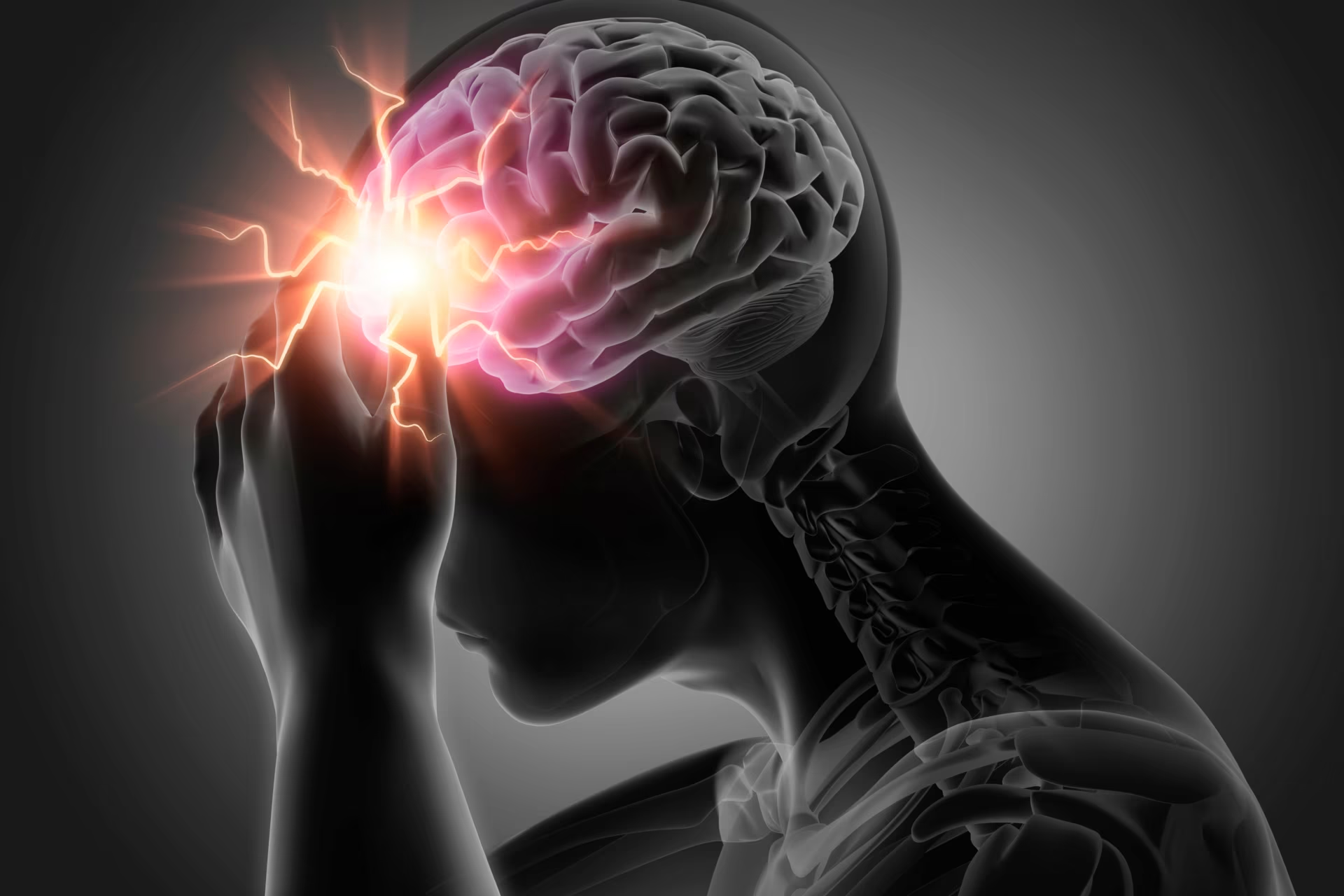
In general, headaches can be classified into primary headaches (where no underlying disease is found) and secondary headaches (where a predefined condition is the cause of the headache). According to the International Classification of Headache Disorders, third edition (ICHD-3), primary ...
Acute ischaemic stroke management Recent randomized controlled trials (RCTs) comparing bridging intravenous thrombolysis (IVT) with tissue plasminogen activator (tPA) to direct endovascular treatment (EVT) for large-vessel occlusion (LVO) strokes within 4.5 hours of onset have failed to show inferiority of direct ...

In this episode of Visionary Voices, we welcome Associate Professor Grace Vincent from CQUniversity’s Appleton Institute. A leading expert on sleep and shift work, Grace explores how disrupted sleep affects physician health in both the short and long term, as well as its impact on safety and performance. We also discuss what this means for patient outcomes and share practical strategies to manage sleep loss.

Epilepsy affects approximately 1% of the global population, with one-third of patients remaining refractory to medical therapy.1 Drug-resistant epilepsy (DRE), defined as the failure of two appropriately chosen antiseizure medications (ASMs) to achieve seizure freedom, poses significant risks, including injury and ...

Physician burnout is at a critical point. In this episode, Nicky speaks with Dr Alfred Atanda about why so many physicians are burning out and what can be done to change the trend. From personal experience to system-wide solutions, Dr Atanda shares valuable insights on improving physician well-being and building a more effective healthcare culture.


Explore the key characteristics of MOGAD and how best to recognize, differentiate, and diagnose the condition.



Meet the touchNEUROLOGY Future Leaders 2026
Our inaugural touchNEUROLOGY Future Leaders 2026 campaign celebrates the next generation of neurologists shaping the future of clinical practice, research, and education.
Nominated by our Editorial Board and faculty, this diverse group of early-career specialists are driving innovation and impact across neurogenetics, digital diagnostics, brain health equity, and more. In exclusive interviews, they share their journeys, inspirations, and visions for the field’s future.

“Research offers the opportunity to improve our understanding of neurological diseases and ultimately benefit many more patients than those we see individually.”
Editorial Board
Introducing the Editorial Board of touchREVIEWS in Neurology, who support our mission to advance medical knowledge and practice by ensuring the integrity, relevance, and impact of the content we publish. Together, we strive to foster a vibrant academic community and contribute to the continuous improvement of healthcare worldwide.

Said Beydoun
Keck School of Medicine, USC, Los Angeles, CA, USA
Neuromuscular diseases
Biography
Said R Beydoun, MD, FAAN, is Professor and Division Chief for Neuromuscular Medicine at the Department of Neurology at Keck School of Medicine, University of Southern California (USC). He is Program Director of the Clinical Neurophysiology Fellowship. As a principal investigator, Dr Beydoun has participated in multiple research clinical trials. His clinical and research areas of expertise in the field of neuromuscular medicine include amyotrophic lateral sclerosis (ALS), myasthenia gravis, peripheral neuropathy (including chronic inflammatory demyelinating polyneuropathy), multifocal motor neuropathy and transthyretin-related amyloid neuropathy. He has published in several scientific journals on topics related to neuromuscular diseases and is co-Editor-in-Chief of touchREVIEWS in Neurology. He is an elected fellow of the American Academy of Neurology and a fellow of the American Association of Neuromuscular and Electrodiagnostic Medicine; a member of the medical/scientific advisory board of the Myasthenia Gravis Foundation of America; Medical Director of the Certified ALS Treatment Center of Excellence at Keck USC; and holds board certification by the American Board of Psychiatry and Neurology in neurology, clinical neurophysiology, neuromuscular medicine and pain medicine.
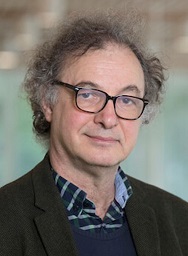
Cris Constantinescu
Editor-in-Chief
Cris Constantinescu
Cooper Neurological Institute, Cherry Hill, NJ, USA
Multiple sclerosis
Biography
Prof. Cris S Constantinescu is the co-Editor-in-Chief of touchREVIEWS in Neurology. Cris Constantinescu is Attending Neurologist at Cooper University Hospital, Cooper Neurological Institute, Cherry Hill, NJ, USA, Professor of Neurology at Cooper Medical School of Rowan University, Camden, NJ, USA, and Emeritus Professor of Neurology in the Academic Unit of Mental Health and Clinical Neurosciences at the University of Nottingham, Nottingham, UK. He graduated with an MD from Boston University School of Medicine, USA, in 1988. As a recipient of the physician-scientist award from the National Institutes of Health, USA, he completed a PhD in immunology at the University of Pennsylvania in 1998. He has completed an internship and a residency in neurology and fellowships in neuroimmunology and neurorehabilitation. He was appointed honorary consultant neurologist and senior lecturer in neurology at the University of Nottingham 2000–2001. In 2004, he was appointed Professor of Neurology and Chair in Neurology at the University of Nottingham, a post he held until 2021. He has authored or co-authored over 200 articles in international journals. His research interests are immune regulation in inflammatory diseases of the nervous system, in particular multiple sclerosis, neuroimaging, clinical trials and cognitive neurology. He is currently involved in the care of numerous patients with neuroimmunological and neurodegenerative diseases.
Said Beydoun
Editor-in-Chief
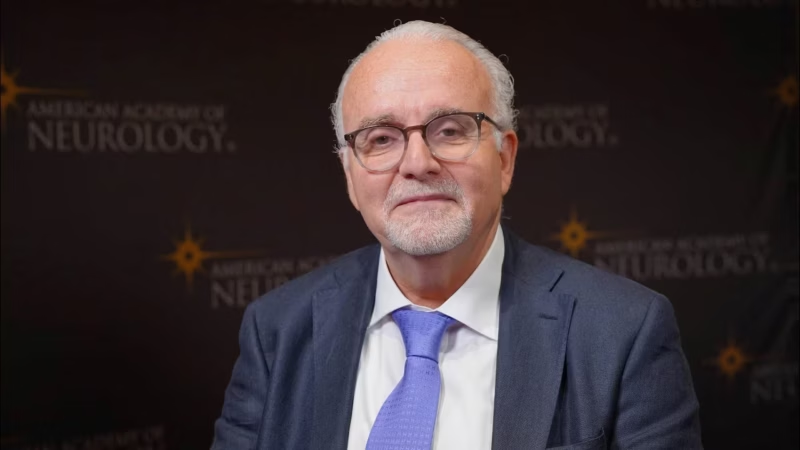
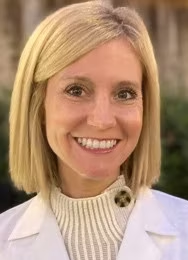
Erin Furr-Stimming
Editorial Board Member
Erin Furr-Stimming
McGovern Medical School, Houston, TX, USA
Movement disorders
Biography
Dr Erin Furr-Stimming joined the Neurology faculty as an Assistant Professor in 2007 after completing her internship, residency and fellowship at McGovern Medical School-UTHealth. Her clinical expertise is evaluating and treating patients with Huntington’s disease (HD), Parkinson’s disease, atypical parkinsonian syndromes, focal and generalized dystonia, essential tremor and spasticity.
From 2011-2017, Dr Furr-Stimming she served as Chief of Neurology at Lyndon Baines Johnson (LBJ) Hospital. In 2016, she was awarded 1 of 39 designated Level 2 Huntington’s Disease Society of America (HDSA) Centers of Excellence in the country and the only one in Texas. She has focused her clinical efforts on helping those with this devastating neurological disorder and raising awareness through education. She is currently an Associate Professor and is also Director of the Neurology Clerkship Program.
Cris Constantinescu
Editor-in-Chief
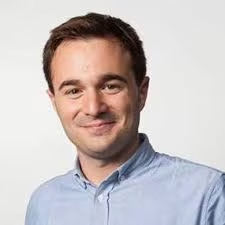
Marcello Moccia
Editorial Board Member
Marcello Moccia
University of Naples, Naples, Italy
Multiple sclerosis
Biography
Dr. Marcello Moccia is Assistant Professor at the University of Naples, Italy, and Consultant Neurologist at the Policlinico University Hospital of Naples, Italy. Dr. Moccia received his medical degree (MD) from University of Naples in 2010 and completed there his training in Neurology (2016) and PhD in Neuroscience (2019). He has further trained at the National Hospital for Neurology and Neurosurgery (London, UK), and has been awarded MD(Res) degree at UCL Queen Square Institute of Neurology (London, UK) (2020). His clinical and research interests are in the field of multiple sclerosis, including immunology, neuroimaging, epidemiology and translational applications. Dr. Moccia has authored over 200 peer-reviewed and indexed articles. He is Editorial Board Member of Neurology and Multiple Sclerosis Journal.
Erin Furr-Stimming
Editorial Board Member
Said Beydoun
Editor-in-Chief

 touchNEUROLOGY
Register Now!
Explore the latest in medical education and stay current in your field. Create a free account to track your learning.
- Save your progress for video
- Keep track of your CME credits
- Add personalised learning notes
- Receive updates from course leaders and faculty
- Be the first to hear about new and exciting interactive learning opportunities
Log into your Touch Account
Keep track of your clinical interests and newsletter subscriptions.
Sign up with an Email
Or use a .
Register now for FREE access
Already registered? Login below.