Paradigm Shift in Acute Stroke Care
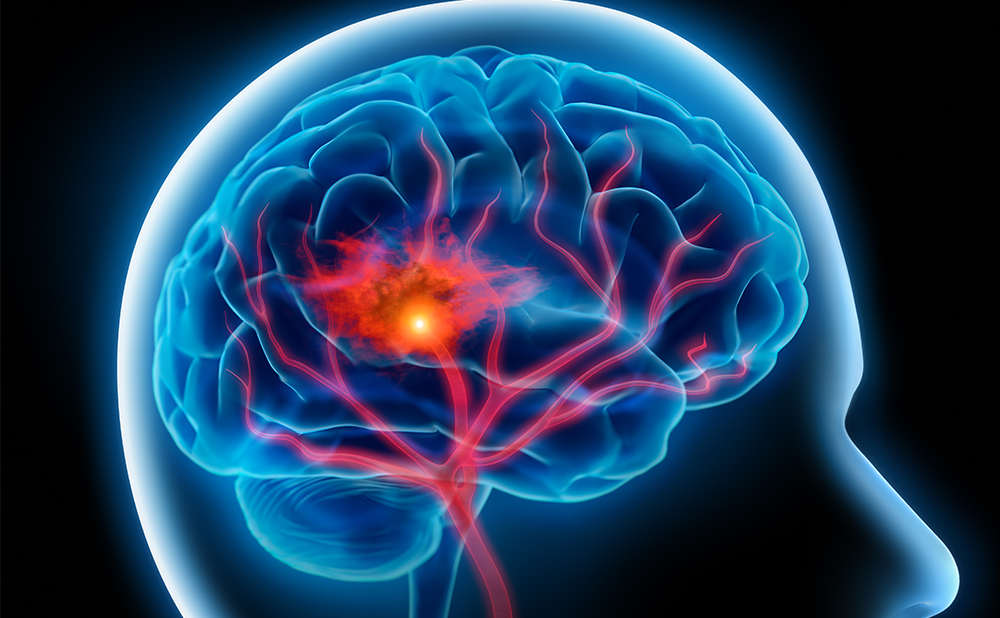
Probably the most important paradigm shift in acute stroke care was with the National Institute of Neurological Disorders and Stroke (NINDS) Tissue Plasminogen Activator (t-PA) trial. This study showed benefit with medication that can break apart the clots that cause acute strokes. This was not a new idea. Studies using thrombolytics to treat strokes go back as far as 1958, when Sussman et al.1 used fibrinolysin (Plasmin) to thrombolyse strokes, and the randomized placebo-controlled trial of intravenous streptokinase by Meyer et al. was performed in 1965.2 Unfortunately, these trials showed either no benefit over placebo, or benefit in some and hemorrhagic transformation of some of the strokes.
In 1995, the NINDS t-PA for acute ischemic stroke trial was published in the New England Journal of Medicine. It showed that, compared with placebo, a ‘clot busting agent’ could be infused intravenously into stroke patients safely, with benefit at 90 days. The NINDS t-PA trial was different to the other thrombolytic trials as it used t-PA instead of streptomycin or fibrolyse and had a very strict list of contraindications to use.3 These contraindications allowed for selection of patients who were most likely to benefit. Of the multiple contraindications, the most vital is the three-hour window. This t-PA was found beneficial if given within three hours of onset of the stroke. In fact, the greatest benefit is seen within the first 90 minutes from stroke onset.4
This evidence changed entirely how clinicians were dealing with stroke patients. With the NINDS trial, stroke became an emergency to be evaluated and treated quickly instead of a tragedy with little or no hope for improvement besides time and physical therapy.Another thing changed with the NINDS trials, which was the vital importance of a clinical neurologist as part of the acute evaluation of stroke patients.
Acute Evaluation of Stroke
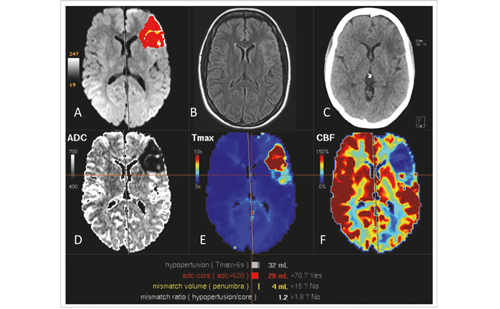
Previously, stroke was almost universally thought of as a medical disease treated by internists because the causes of stroke (high blood pressure, arteriosclerosis, atrial fibrillation, and hypercoaguable states) were considered internal medicine disorders. However, the acute evaluation of stroke patients is required by a neurologist or clinicians trained by a neurologist, since the only objective test for stroke is clinical examination in the first three hours. A normal computed tomography (CT) scan, normal blood tests, and a careful history and neurological examination are the only ways to diagnose an acute stroke. There is no blood test or electrocardiogram (ECG) specific for stroke, and CT scans may be entirely normal for up to six hours after the acute onset of stroke. Thus, the neurologist became an irreplaceable member of the team to acutely evaluate stroke patientsIntravenous t-PA is not the only form of thrombolytic procedure that has been shown to work. Intra-arterial injection of a small amount of t-PA or other medications has also been shown effective. The PROACT II trial showed that, using a catheter, urokinase could be injected into arteries that had been clotted off, with improvements greater than for those patients who only received an anticoagulant.5
There have been several devices, such as the Mechanical Embolus Removal in Cerebral Ischemia (MERCI) device, which mechanically disrupt or remove clots that cause stroke, without medications.6,7 The use of intraarterial medication and devices has the advantage that they can be offered to patients outside of the threehour window and up to six hours after onset. Unfortunately, the cost of the equipment is substantial and personnel with the expertise to perform these procedures are not universally available.
Clot-busting is clearly not the only treatment for acute ischemic stroke. Most patients, even at busy active thrombolysis centers, do not receive clotbusting agents. Between 1% and 6% of ischemic stroke patients have been treated with t-PA.8,9 This is primarily due to the long list of exclusions to thrombolytic or mechanical disruption of clot, particularly the limited time window. Fortunately, other interventions exist. For years, scientists have experimented with ‘neuroprotective medications’ that protect the brain against ischemia. A reduction of blood flow reduces oxygen and energy to the brain, which sets up a cascade of chemical reactions that lead to the death of brain cells faster than any other tissue in the body.
Neuroprotective medications seek to slow the process of cell death by ischemia to give time for the body to resolve the blood clot itself or for the patients to receive thrombolytics even after the first three to six hours. On the whole, this was unsuccessful until the New England Journal of Medicine published a study showing that NXS-059 was effective at improving disability at 90 days when given in the first six hours after stroke compared with placebo.10 This medication could be delivered intravenously. Time will tell if this medication, either alone or in conjunction with thrombolytic agents, can increase the numbers of patient receiving and benefiting from acute pharmacological therapy for stroke.
Other Clinical Interventions
Not all the treatment for acute stroke is centered on breaking open clots or slowing the rate of cerebral cell death. There are straightforward interventions that can help patients with stroke and reduce the expansion of stroke. Just as with myocardial infarction (MI or heart attack), the acute use of aspirin has been shown to improve the likelihood that patients will do well after strokes.11
It is much debated, but poorly supported by studies, that the acute and precipitous drop of blood pressure can sometimes lead to worsening of the deficits from stroke. Due to this, many stroke centers have generous blood pressure goals.12 The brain will often cause blood pressure to increase in order to shunt blood through collateral channels when there is an arterial occlusion. It is important to recognize this and not to interfere with the body’s ability to help itself unless the blood pressures are unsafely high. Studies are now on-going as to whether pharmacologically elevating the blood pressure is of benefit. Both fever and elevated blood sugars have been shown to worsen morbidity and recovery from acute strokes; because of this, many institutions have recommended and implemented fairly strict blood sugar and fever parameters.12 Of course, some of the most significant predictors of a bad outcome after stroke are urinary tract infections, aspiration pneumonia,13 and deep venous thrombosis (DVT).14 It is for naught if a stroke center treats patients aggressively with thrombolytic medication but forgets straightforward prevention strategies to prevent these life-threatening ailments. In general, all stroke patients should have ‘nil by mouth’ restrictions until an evaluation of swallowing function can be performed. Feeding of stroke patients with poor swallowing can lead to pneumonia from aspiration. Also, patients who are immobile need deep venous clot prevention so that pulmonary embolism is less likely to occur as they start to ambulate.
Finally, in the treatment of acute stroke, rehabilitation is vital. Physical and occupational therapy, speech language pathology, and physical medicine and rehabilitation specialists are vital, and not only for the sub-acute phase of stroke recovery. These professionals help reduce the chances of aspiration, DVT, urinary tract infections, delirium, contractures, pain, and depression in stroke patients.15 They aid in training and compensation strategies for the patient to interact with family and caregivers, and prepare them for the real work of stroke recovery over the next months in rehabilitation as an in-patient and out-patient.
Summary
In summary, stroke is the third leading killer in the US among people over 40. The way physicians and institutions treat stroke is changing all the time. The NINDS t-PA trial changed how neurologists treated and thought about stroke and has changed stroke to an urgent issue requiring rapid evaluation.
While there are many new ways to deal with stroke through thrombolysis, neuroprotectants, and mechanical clot disruption, the acute treatment of stroke is more complex than these techniques alone. Incorporated into acute stroke teams should be protocols to deal with hyperglycemia, fever, the acute use of aspirin, prevention of aspiration, and DVT, as well secondary prevention and rehabilitation strategies. Only with a global view of the acute stroke patient can we hope to reduce the morbidity and mortality of this disease.